
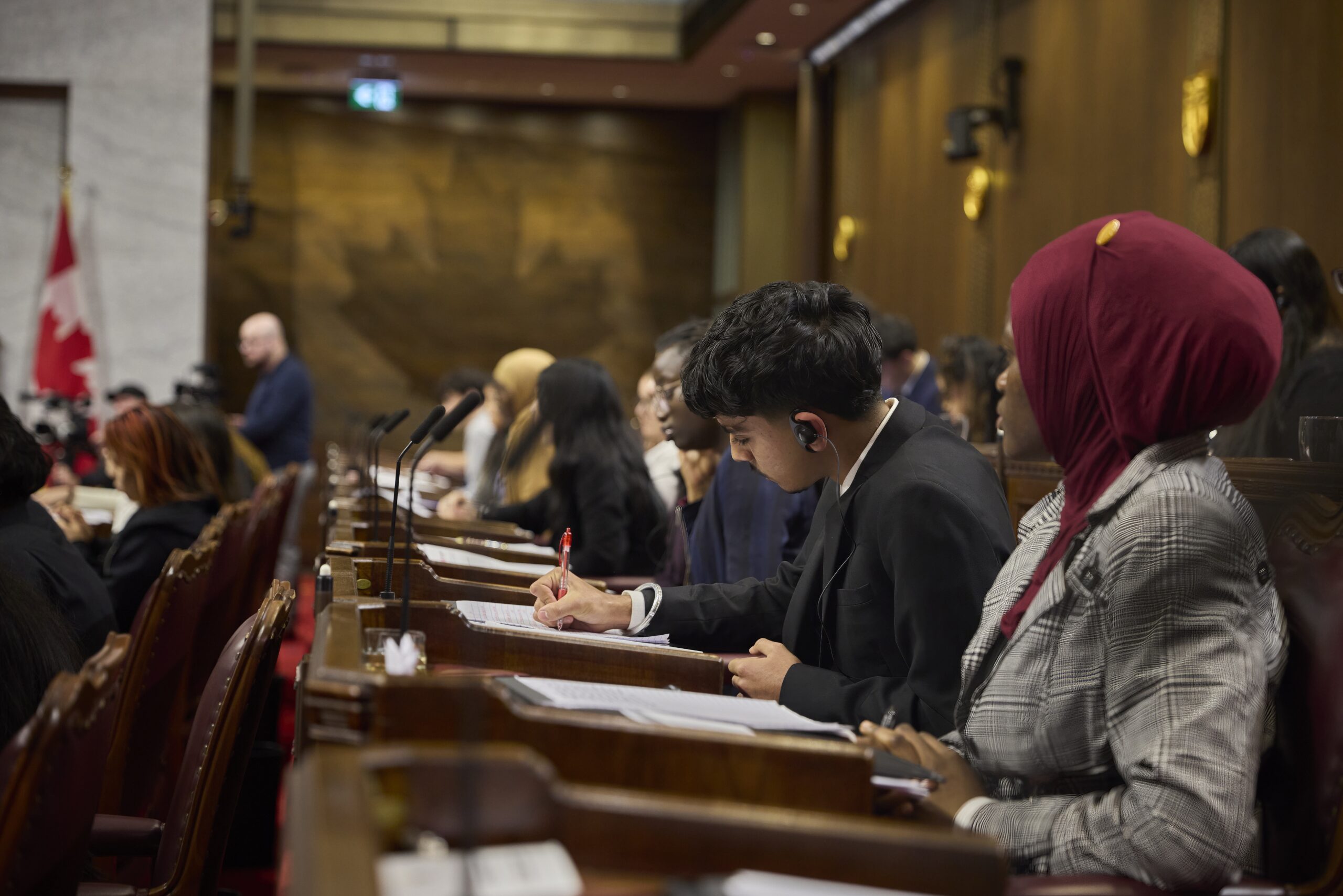
Growing up in Yellowknife, 16-year-old Élise Auld never imagined that one day she would find herself in the Senate Chamber of the Parliament of Canada, delivering statements, discussing bills, and proposing amendments.
“You learn about politics in school, and you think it’s so much bigger than you are. But then, you get this opportunity to go and sit in an actual senator’s seat, and it all starts to feel real,” Élise says, still somewhat in disbelief.
For young Canadians, opportunities to get a direct understanding of the institutions, processes, and people that make government and democracy work – especially at the national level – are rare.
Last November, 73 youth from across Canada journeyed to Ottawa for the first Youth Parliament of Canada [YPC], a national parliamentary simulation which offered a powerful opportunity for youth to experience first-hand Canadian democracy in action.
Over four days, these young people, between the ages of 16 and 20, chosen from over 500 applicants nationally, participated in a range of programming, including role-playing Members of Parliament to pass and amend bills, meeting actual MPs, observing the House of Commons in session, and interacting with public servants, political staffers, and journalists.
The program was brought together by CIVIX, which has worked for over two decades to offer non-partisan civic education and experiential learning opportunities to help youth develop civic knowledge, media literacy, critical thinking, and other broader skills required for effective democratic participation.
We believe democracy and citizenship are best learned through practice. Through YPC, we hoped to provide young Canadians with an immersive experience in parliamentary debate, collaboration, and democratic decision-making, and spark a curiosity for civic engagement that can continue throughout their lifetimes.
– Lindsay Mazzucco, CEO of CIVIX
Designed by young Canadians, for young Canadians
For CIVIX, the youth parliament simulation included young people from the very first step: its design. Across Canada, several model parliaments exist at the provincial level. CIVIX brought together an organizing committee of 10 youth with extensive previous experience in their respective provincial youth parliaments. This committee met over several months to design the simulation, decide on topics for debate, write bills, and bring in best practices.
“We had members from Saskatchewan to Quebec to Manitoba, who each brought in different ideas of what worked well in their provincial simulations, and how that could be used for a national model,” says Bisman Randhawa, an organizing committee member from Manitoba.
These youth also better understood the levels of political awareness their peers would bring, the issues that would be most relevant to them, and the topics that would elicit diverse and divergent perspectives.
“Ensuring young people were involved at every step was key to how relevant and engaging the program turned out to be. We saw participants go up to each other during breaks and even after the session had ended to continue their discussions,” explains Lindsay.
Through engaging- and at times, heated – debate on topics ranging from mandatory voting to tariffs, participants were able to hear perspectives from all over the country, including from communities which often feel far from mainstream political discourse – a significant advantage of a national model over those that exist provincially.
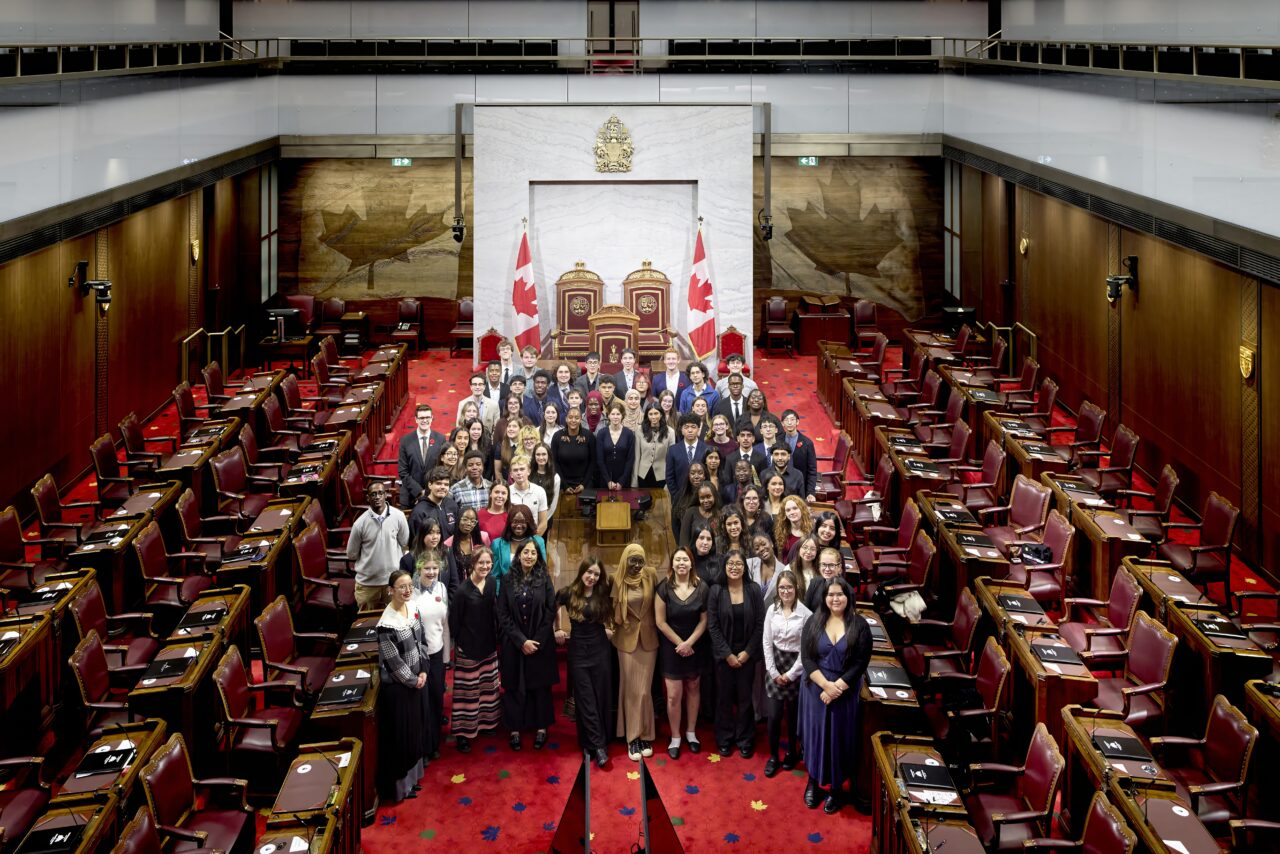
“It was incredibly important to us that we had a group of participants that was representative of Canada,” notes Lindsay. CIVIX ensured there was at least one participant from each province and territory, with representation from a range of urban, suburban, rural, and remote locations and fully bilingual programming.
“I learnt so much about what goes on in other communities across Canada,” Elise recalls. “As well, I was proud to represent the Northwest Territories and share the realities affecting our communities, from wildfires to the rising cost of groceries, which often get less attention nationally.”
Learning by doing
At the heart of programs like YPC is the idea that when young people are given early experiences of democracy, government, and citizenship, it can positively define how they show up as citizens, change-makers, and leaders throughout their lives. By bringing youth into spaces where democracy lives and breathes, models like YPC advance their sense of belonging and agency and give them skills to engage respectfully with counterviews and diverse opinions.
This is especially important now as young Canadians navigate a shifting and uncertain world, a complex information environment, and increasing polarization, all while feeling a sense of disconnect from traditional politics.
A lot of young people think, ‘Oh, things are already going bad, what am I going to be able to do?’ or they don’t know where to start. And I think that being exposed to discursive environments, like youth parliaments, that are full of debate, contradiction, but also collaboration, can help young people understand that it’s possible to come together to change things, as well as show them the role they can play.
– Bisman Randhawa, Youth Organizing Committee Member
By allowing young people to step into the shoes of those running the country, YPC builds an appreciation for the behind-the-scenes work required to run a government, which many young Canadians find complex.
“It provides you with a completely different kind of insight. Like when you see the Question Period, you think, ‘oh, they’re just arguing,’ but then you get to meet the MPs and staffers in person, and you understand all the work that goes on behind the scenes from community meetings to research,” says Jonas Alcantara, a participant from Calgary, Alberta.
“Now, when I hear about politics in the news, I process it better because I know what’s happening underneath it,” Élise adds.
CIVIX’s participant survey shows that more than 80% came out with a strong understanding of parliamentary processes, while 95% said the experience increased their interest in politics.
“This understanding impacts everything, no matter what they go on to do. For instance, a participant who goes to build a career in healthcare now understands how politics can impact that,” explains Lindsay.
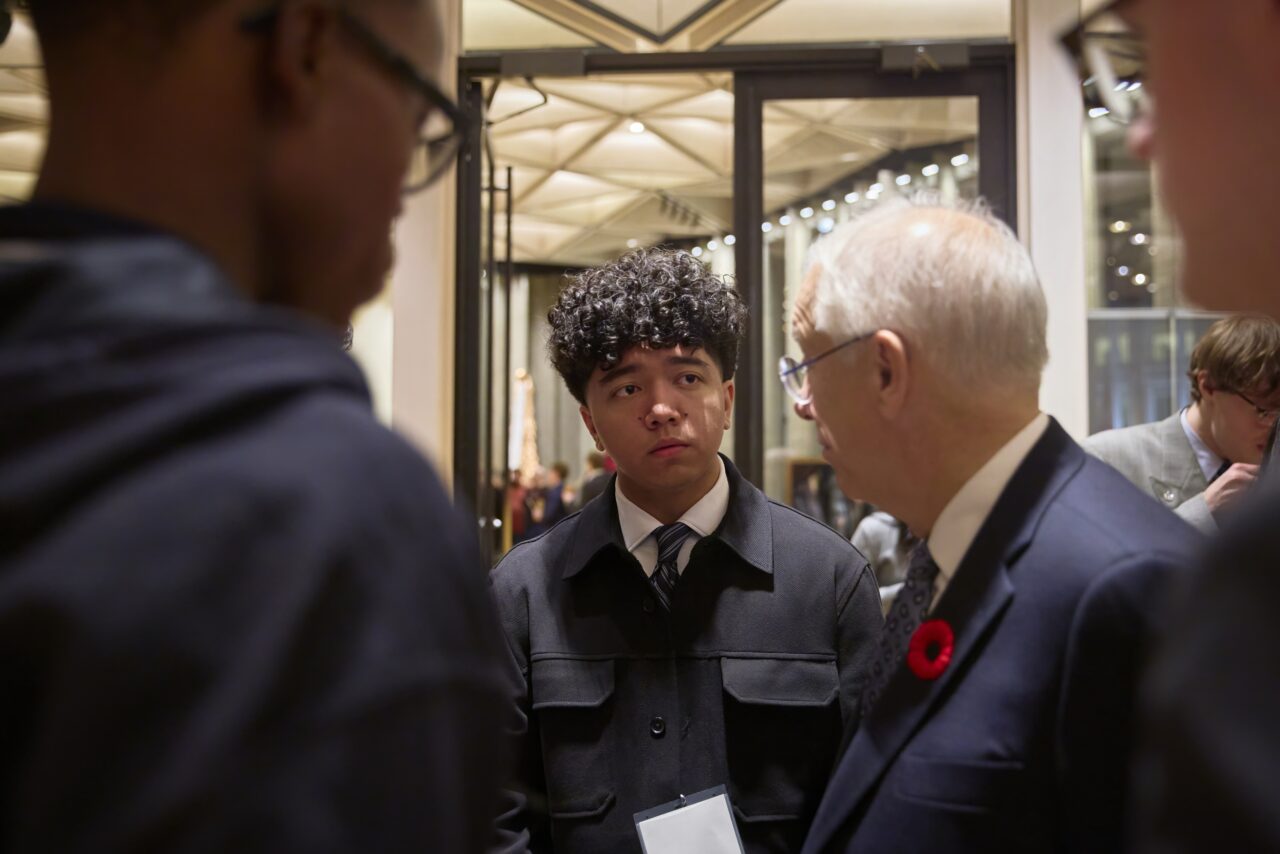
The program also fosters deep connections among participants, who, while exchanging different perspectives and experiences, found a shared sense of national identity. “It was so valuable to learn how we all have the same best interests in our hearts and are truly united as Canada,” says one participant from Ontario.
Additionally, participants left with many transferable skills, including speech writing, public speaking, negotiation tactics, and teamwork.
What comes next
With a successful pilot and a trove of learnings, CIVIX is now working to ensure the sustainability of the program and hopes to run it annually while keeping it free of cost.
“The future of our democracy depends on young people showing up and leading the way. We hope to bring YPC to more young Canadians to build the next generation of active and engaged citizens and leaders,” says Lindsay.
The Youth Parliament of Canada was supported through seed funding by the McCall MacBain Foundation as part of our focus on providing opportunities for young people to deepen their skills and leadership. Explore our work in Leadership and Growth here.